

Your buying guide for AI-powered tax research solutions
Tax law is complicated. Choosing the right AI-powered tax research solution doesn’t have to be. To help you cut through the noise, we’ve put together this comprehensive guide to evaluating the features, capabilities, and support that really matter. So you can find a solution that gives you the AI advantage you’ve been looking for.
How tax practitioners are using AI-powered tax research today
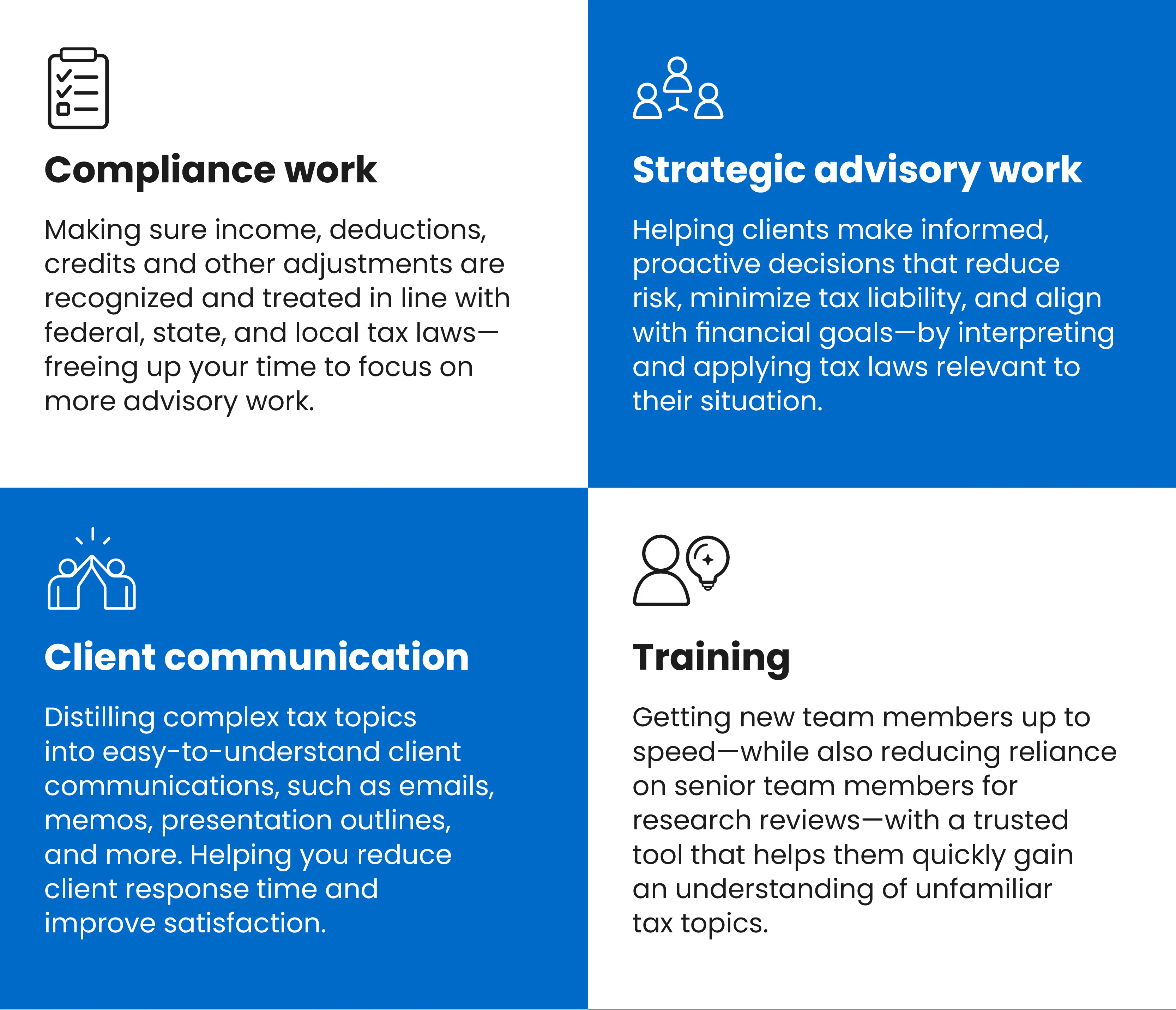
AI is changing how accountants approach tax research, and adoption is already growing across the profession. Our latest research shows that 54% of tax practitioners are currently leveraging some form of AI to complete tax research. Beyond providing fast, reliable answers to pressing tax questions, these AI-powered tools are also helping practitioners make their larger workflows more efficient, including:
AI-powered tax research vs. other tax research solutions
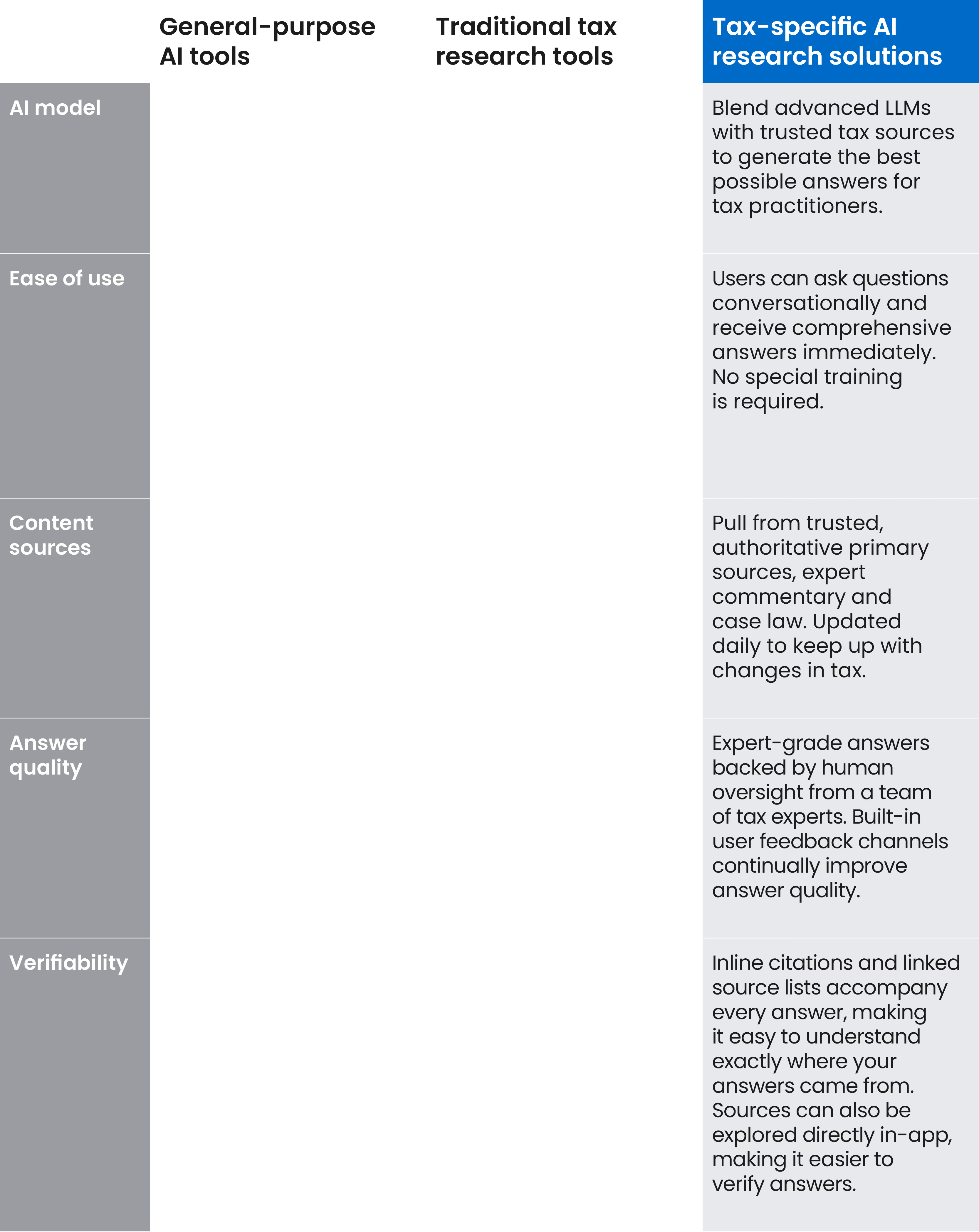
As you evaluate tax research tools, you’ll likely encounter three research solutions, which include general-purpose AI tools, traditional tax research platforms, and tax-specific AI research solutions.
Each approach takes a different path to help you resolve tax issues. Some prioritize broad AI capabilities, some rely on established research databases, and others combine AI technology with tax-specific content and workflows designed for professional use.
Our detailed guide compares these solutions across the factors that matter most when selecting a research platform, including:
- AI capabilities and ease of use: how the technology helps you interact with tax information, ask questions naturally, and complete research without unnecessary friction.
- Content sources and authority: the quality, depth, and reliability of the tax materials behind each answer, including access to authoritative sources that support professional analysis.
- Answer quality and verification: how confidently you can review the AI-generated conclusions, trace the reasoning behind them, and confirm the supporting authorities before applying them to a tax issue.
- Research workflow support: how effectively the platform helps your team move from a tax question to a usable conclusion.
As firms compare these factors, many are reassessing the limitations of traditional research platforms and exploring newer options that provide a more modern research experience.
This is why some professionals are evaluating Bloomberg Tax alternatives and CCH AnswerConnect alternatives as they look for solutions that address challenges with legacy tool user experience.
What to evaluate before you buy
As you compare tax research tools, look beyond individual features and focus on the factors that influence research quality, adoption, security, and long-term success.
To help you make a more informed decision, we gathered insights from tax practitioners on the criteria they considered when selecting their solutions. The following framework highlights the questions you should ask vendors and the areas you should evaluate before investing in an AI-powered tax research solution.
.avif)





Making the business case for AI tax research
Choosing the right tax research solution can help your firm save time, reduce research costs, and improve how your team handles complex tax questions.
The value comes from how effectively a platform helps your team spend less time searching through information, organize complex tax materials, and move from research questions to supported conclusions.
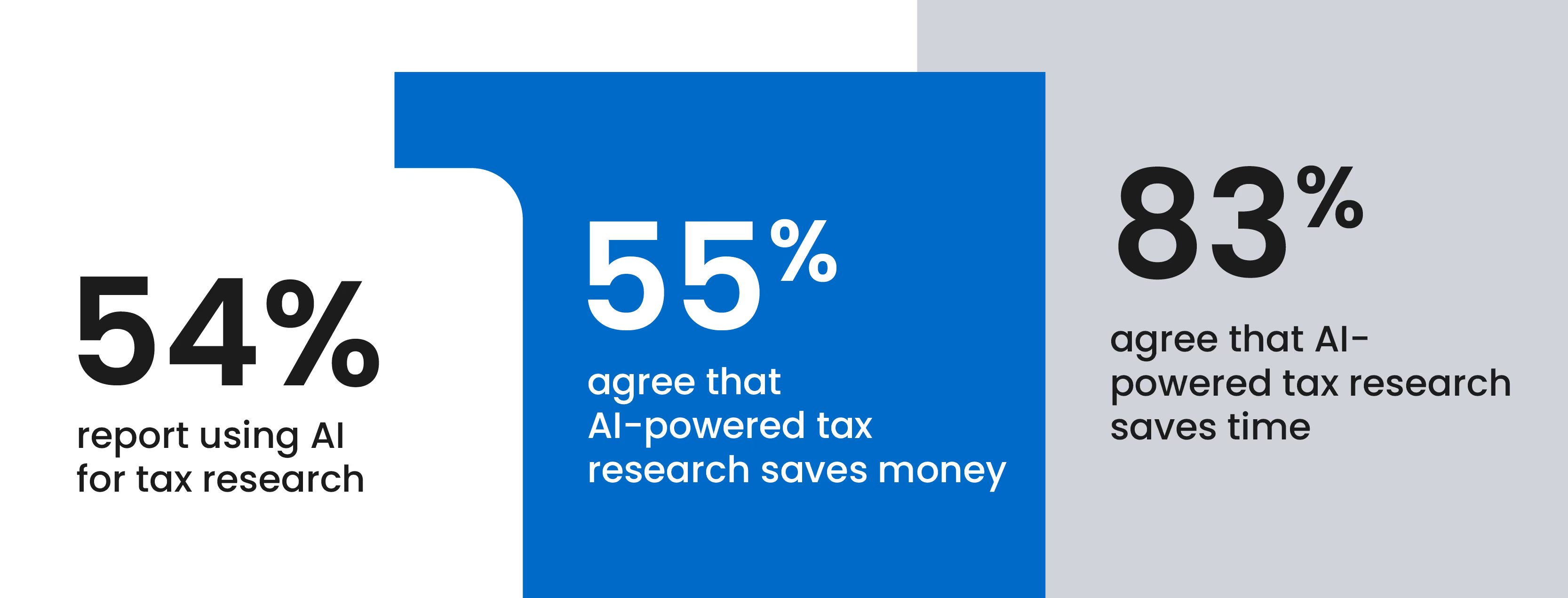
Our research findings expose why more firms are evaluating AI-powered tax research. 54% of tax practitioners report using AI for tax research, while 83% agree that AI-powered tax research saves time and 55% agree that it saves money.
These findings point to a broader shift in how firms view AI. The conversation is moving beyond experimentation and toward understanding how AI can support everyday tax workflows.
The advantages of AI-powered tax research extend beyond speed
Tax professionals and firms are bullish on the benefits associated with AI.
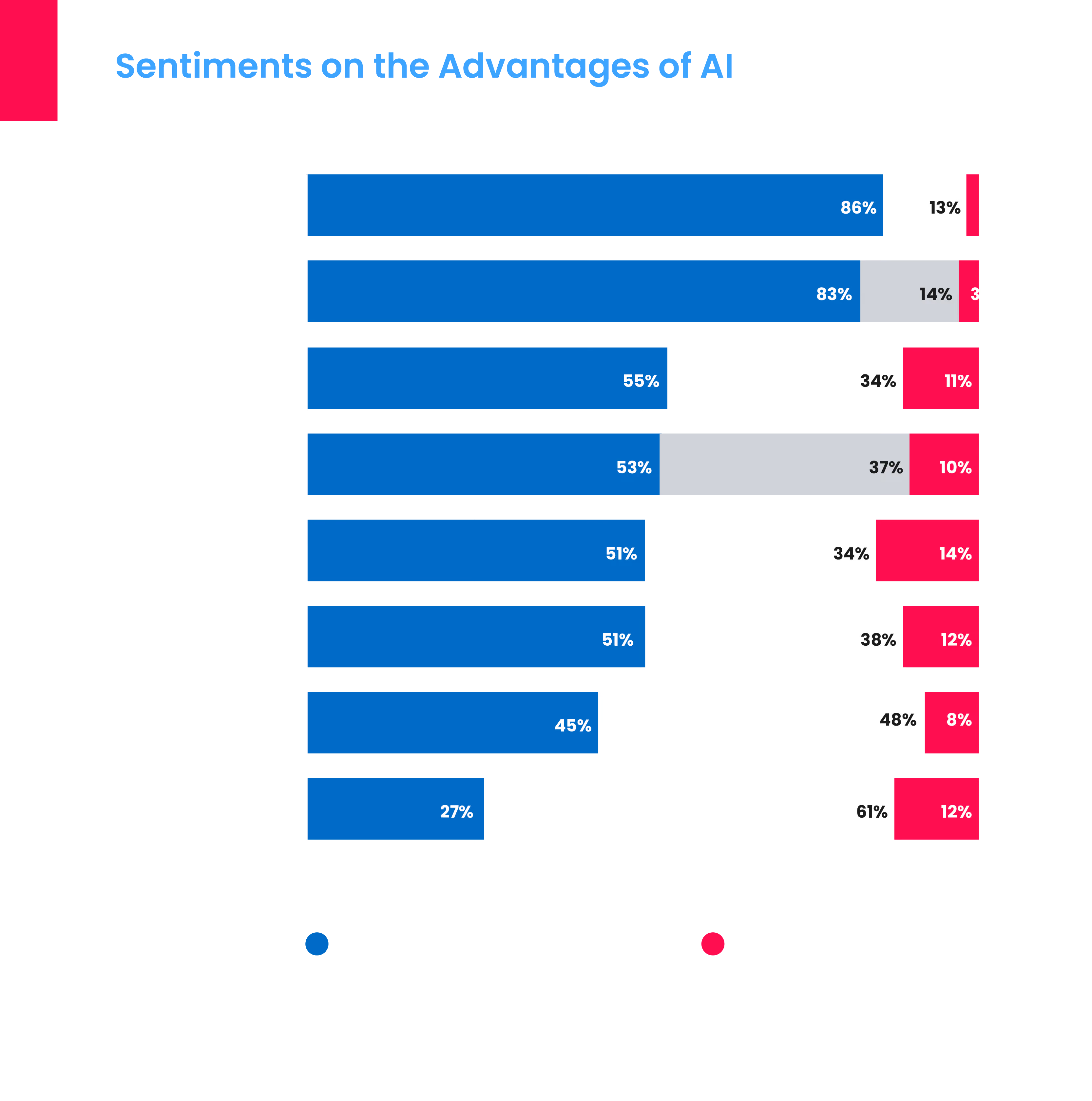
They see value in AI across different parts of the research process, not just in how fast they find answers. According to our AI Tax Research Solution Outlook Report, 86% of respondents agree that AI provides an easier starting point for research.
This changes how professionals begin the research process. Traditionally, resolving a tax issue starts with identifying the relevant tax authorities, reviewing applicable laws and guidance, and building an analysis from those sources.
This changes how professionals begin their research.
The traditional approach means identifying the relevant tax authorities, reviewing applicable laws and guidance, and building the analysis from the ground up.
Now, professionals can ask questions in natural language, explore issues as they come up, and refine their research as they go.
Overcoming the roadblocks to AI adoption
Adoption still depends on addressing the major roadblocks most practitioners face with new technology.
Tax professionals want to know whether AI will replace human expertise, how to trust the accuracy of AI-generated answers, whether the investment will deliver value, and how easily their teams can adopt new workflows.
These concerns contribute to the tax research adoption gap, where many professionals recognize the potential benefits of AI but are still evaluating how the technology fits into their existing processes.
Our guide examines these common adoption barriers and the realities behind them, from concerns around AI hallucinations and security to questions about training, cost, and changing established research habits.
Understanding these challenges can help firms make more informed decisions when introducing AI-powered tax research into their practice.
.avif)
Start building your action plan
Leading accounting firms already know just how much AI is transforming tax research. Firms that act now and embrace AI will shape what comes next for the profession. While those that stick with the status quo risk being left behind.
If you want to keep your firm on the leading edge of tax, this guide provides everything you need to evaluate solutions, ask the right questions, and build a business case for confidently adopting AI-powered tax research.
Need help to move forward?
Our team is here to answer all of your questions and help you build your business case. Reach out to connect with an AI tax research expert today.