

6 best CCH AnswerConnect alternatives for tax professionals in 2026
A tax research question rarely arrives at a convenient time. A client needs an answer, a position needs support, and your team still has to trace the conclusion back to reliable authority.
When evaluating a CCH AnswerConnect alternative, consider how your team moves from a complex tax issue to a conclusion they can confidently support. The platform you choose affects how quickly you can find relevant information, verify sources, and prepare client-ready work.
This guide compares six CCH AnswerConnect alternatives, explains where each platform fits, and outlines the factors to consider before choosing a tax research solution.
6 CCH AnswerConnect alternatives
Tax research platforms differ in how they organize information, support research workflows, and help researchers move from initial questions to final conclusions.
Some platforms focus on extensive research libraries and editorial analysis, while others introduce AI-powered workflows that can assist in your research process and draft more efficiently.
The best choice depends on your firm’s research needs, team structure, workflow preferences, and the type of tax work you handle. Below are six platforms tax professionals may consider when evaluating CCH AnswerConnect alternatives.
Blue J
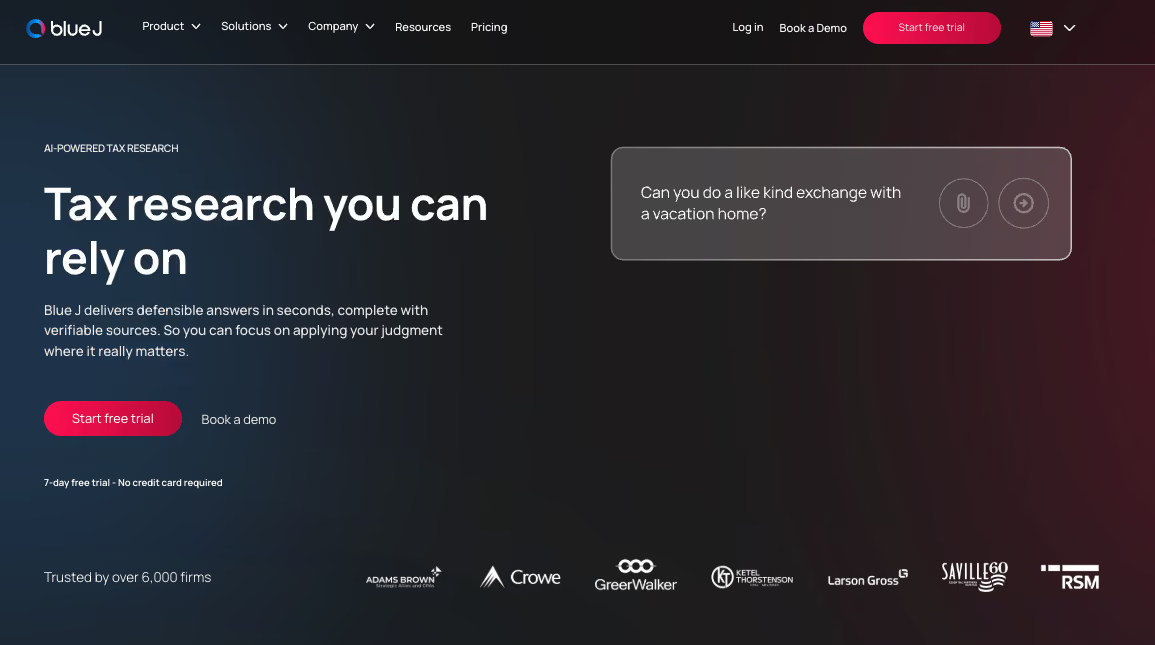
Blue J is an AI-powered tax research platform for tax and accounting professionals.
It combines AI-assisted tax research with citation verification and drafting support to help tax researchers and analysts move from a tax question to a supported conclusion and final deliverable.
Designed with a conversational interface, Blue J lets you ask questions in plain language and receive answers with ranked, verifiable citations back to primary authoritative sources.
Blue J helps professionals move from tax questions to defensible answers faster, while keeping professional judgment where it has always been, bringing research accuracy and drafting support together in one workflow. After identifying a tax issue, you can review the sources supporting the answer, ask follow-up questions to explore the analysis further, and use the research as the foundation to generate client deliverables.
This helps reduce the time spent switching between separate research and drafting tools while keeping the final judgment with you. Blue J is designed to move from a tax question to a supported conclusion without losing the context behind the research.
Strengths
- Conversational tax research: you can ask tax questions the way you’d ask a colleague, instead of building complex Boolean searches or translating issues into database-specific search terms.
- Defensible answers with verifiable sources: Blue J provides answers with supporting citations and source lists, allowing you to review the materials behind the conclusion. Sources include statutes, regulations, administrative guidance, case law, Tax Notes content, and international tax content through a partnership with IBFD.
- Research and drafting in one workflow: Blue J connects tax research with client-ready outputs, helping you move from analysis to emails, memos, presentations, and other deliverables.
- Built for professional tax workflows: the platform supports compliance, advisory, notice response, planning, and knowledge-sharing workflows across different tax practices.
- AI designed around practitioner review: Blue J supports professional judgment by helping you find, verify, and apply information. Rather than replacing your entire role, it provides the details you need to reach a defined conclusion or recommendation.
Key features
- AI-powered tax research with source verification: Blue J provides tax research answers in plain language with inline citations and source lists, allowing you to review where the conclusion came from and evaluate the supporting materials.
- Conversational research workflow: tax professionals can ask questions naturally instead of relying only on traditional keyword-based searches. This helps you move from a tax question to a defensible answer more efficiently.
- Client-ready tax writing: research is only one part of a tax professional’s workflow. Blue J also helps you turn research findings into client communications, memos, presentations, and other written deliverables through its tax writing capabilities.
- IRS notice response support: Blue J supports you in preparing responses to tax authority communications by helping you create clear, professional written responses.
- Advisory and planning support: the platform supports advisory workflows across areas such as entity planning, international taxation, estate and wealth transfer planning, and specialized tax credits.
- Compliance research support: you can use Blue J to research filing positions, state and local tax issues, depreciation and asset classification, and other compliance questions.
- Training and knowledge support: Blue J provides source lists and citations that help you understand the reasoning behind an answer and support knowledge sharing across tax teams.
Best fit
National firms, regional firms, local firms, and sole tax practitioners who want to shorten the path from question to signed deliverable.
Pricing
Blue J offers two pricing options designed for teams and individuals:
Thomson Reuters Checkpoint
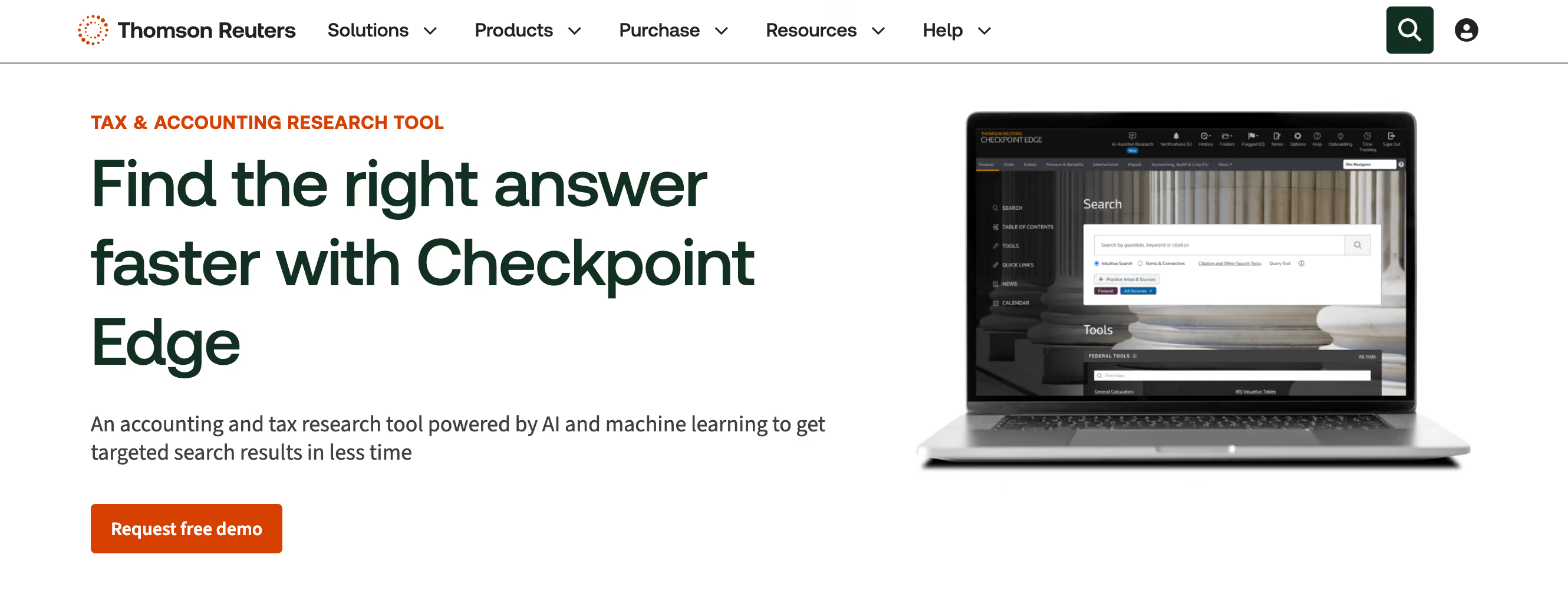
Thomson Reuters Checkpoint is a tax research platform that combines tax content, editorial analysis, and technology tools to help professionals research tax questions and find relevant guidance.
Strengths
- AI-assisted search: Checkpoint Edge added AI-powered search to help users find relevant tax information and locate content more efficiently.
- Case law research and citation tools: Thomson Reuters provides legal research tools to help you analyze cases and track legal authority.
- Integration with Thomson Reuters tax solutions: firms already using other Thomson Reuters tax products may benefit from integrations across the broader Thomson Reuters tax ecosystem.
Key features
- Topic Summary Pages: topic-focused starting points with the most relevant research resources.
- Advisory Maps: guided tax planning and advisory workflows with step-by-step implementation support.
- Document comparison: comparison of current and historical versions of official tax documents.
- Tax calendar: personalized tracking of tax obligations by return type, calendar type, and jurisdiction.
- Powerful algorithm: AI-powered predictive search for full-phrase, natural-language tax questions.
- Concept markers: search refinement through related concepts and re-sorted results.
Best fit
Large firms, corporate tax departments, and teams that need a comprehensive tax research platform supported by established editorial content.
Pricing
Quote-based. Contact Thomson Reuters directly for current pricing information.
Bloomberg Tax Research

Bloomberg Tax Research is a professional tax research platform that combines primary sources, expert analysis, tax news, and technology tools to help tax professionals research tax issues and support their positions.
Strengths
- Expert analysis and practitioner-written content: Bloomberg Tax provides Tax Management Portfolios and other expert-developed analysis designed to help professionals understand and apply complex tax rules.
- Corporate tax and compliance support: Bloomberg Tax supports corporate tax teams with research, tax planning resources, and connected solutions across areas such as tax provision and workflow management.
- AI-powered capabilities: Bloomberg Tax has introduced AI features designed to help users find answers faster by drawing from Bloomberg Tax content, including Tax Management Portfolios and other trusted sources.
- Integration across tax solutions: Bloomberg Tax connects research with other tax workflow tools, helping professionals access tax intelligence alongside related compliance and reporting processes.
Key features
- Bloomberg tax answers: AI-generated search summaries that provide answers to tax questions with supporting primary sources and Bloomberg Tax expert analysis.
- Tax management portfolios: practitioner-authored tax analysis covering complex tax topics, providing detailed explanations and practical guidance alongside primary authority.
- Compliance tracker: track tax compliance requirements across entities and jurisdictions, including tax forms, filings, due dates, alerts, and changing obligations.
- Chart builders: create tax comparison charts across areas such as apportionment, filing requirements, penalties, VAT, and withholding tax. Compare criteria by jurisdiction or state, and link to related Tax Management Portfolios for deeper analysis.
Best fit
Bloomberg Tax suits corporate tax departments, multinational organizations, and firms that need detailed tax analysis, research content, and enterprise-level tax workflow support.
Pricing
Quote-based. Contact Bloomberg Tax.
Lexis+ Tax
Lexis+ Tax is a tax research solution that combines tax authorities, legal research tools, practical guidance, and analytical features to help tax professionals research issues and evaluate supporting sources.
Strengths
- Broad legal and tax research ecosystem: Lexis+ Tax connects tax research with the wider LexisNexis legal research environment, allowing professionals to access tax materials alongside broader legal content.
- Case law research capabilities: the platform provides access to case law and court materials, making it suitable for tax professionals handling controversy, litigation, and legal analysis.
- Primary authority and analytical tools: Lexis+ includes access to primary legal materials such as statutes, cases, and legislative materials, supported by research tools designed to help professionals analyze legal positions.
Key features
- Tax research within the LexisNexis platform: LexisNexis provides tax research capabilities within its broader legal research ecosystem, allowing you to access tax resources alongside wider legal materials.
- Access to legal and tax authorities: you can research primary sources, including statutes, regulations, case law, and other legal materials relevant to tax analysis.
- Lexis+ document analysis: AI-powered document review tools that analyze legal documents, extract relevant information, identify citations, and provide insights to support document review and drafting workflows.
- Litigation analytics tools: LexisNexis provides analytics capabilities that analyze litigation trends, evaluate case information, and gain insights to support litigation strategy and decision-making.
- Practical guidance resources: LexisNexis provides practice-focused materials such as checklists, forms, practice notes, and workflow guidance that you can apply to legal concepts.
- Shepard’s citation service: the citation analysis tool helps tax and legal professionals evaluate the reliability of authorities before relying on them. Shepard’s Signals show whether cases and other legal materials have been treated positively, negatively, or neutrally by subsequent courts, helping you assess the strength and relevance of cited sources.
Best fit
Tax attorneys, legal-heavy tax practices, and firms already using the LexisNexis ecosystem.
Pricing
The pricing below reflects the publicly available one-attorney subscription options shown at the time of review.
Parker Tax Pro Library

Parker Tax Pro Library is a federal tax research platform that provides tax professionals with access to primary tax authorities, research materials, and practical tax resources.
Strengths
- Federal tax research resources: Parker Tax Pro Library provides access to federal tax materials, including tax law resources, IRS guidance, and related research content for professionals handling federal tax questions.
- Access to primary authorities and IRS materials: the platform finds research sources such as the Internal Revenue Code (IRC), Treasury Regulations, IRS rulings, procedures, notices, and other federal tax guidance.
- Practical tax analysis and updates: Parker provides tax publications and updates that help you stay informed about changes in federal tax rules and developments.
- Affordable option for smaller practices: Parker Tax Pro Library positions itself as a cost-effective research option for practitioners who need federal tax research resources without the broader enterprise features of larger research platforms.
Key features
- Expert tax analysis: access 25 volumes of practitioner-focused federal tax analysis covering a wide range of topics with practical explanations and examples.
- Primary authority sources: research federal tax authorities, including the Internal Revenue Code, Treasury Regulations, IRS materials, court decisions, and tax treaties.
- IRS materials and tax case library: access federal tax cases, IRS guidance, private rulings, and other IRS documents, including Revenue Rulings, Revenue Procedures, Notices, PLRs, TAMs, IRS Publications, and Audit Technique Guides.
- Practical examples and practice aids: use more than 3,000 examples, client letters, checklists, tax election statements, and other resources designed to support client work.
- Comprehensive federal tax reporting: periodic bulletin that explains federal tax developments and summaries.
- Quick reference resources: find frequently used tax information, including rates, thresholds, credits, phaseouts, and other recurring tax questions.
Best fit
Sole practitioners and smaller tax firms that primarily need federal tax research resources and practical tax updates.
Pricing
Parker Pro Library costs $591 per year for full access, frequently discounted to around $443, with a 30-day money-back guarantee.
TaxGPT
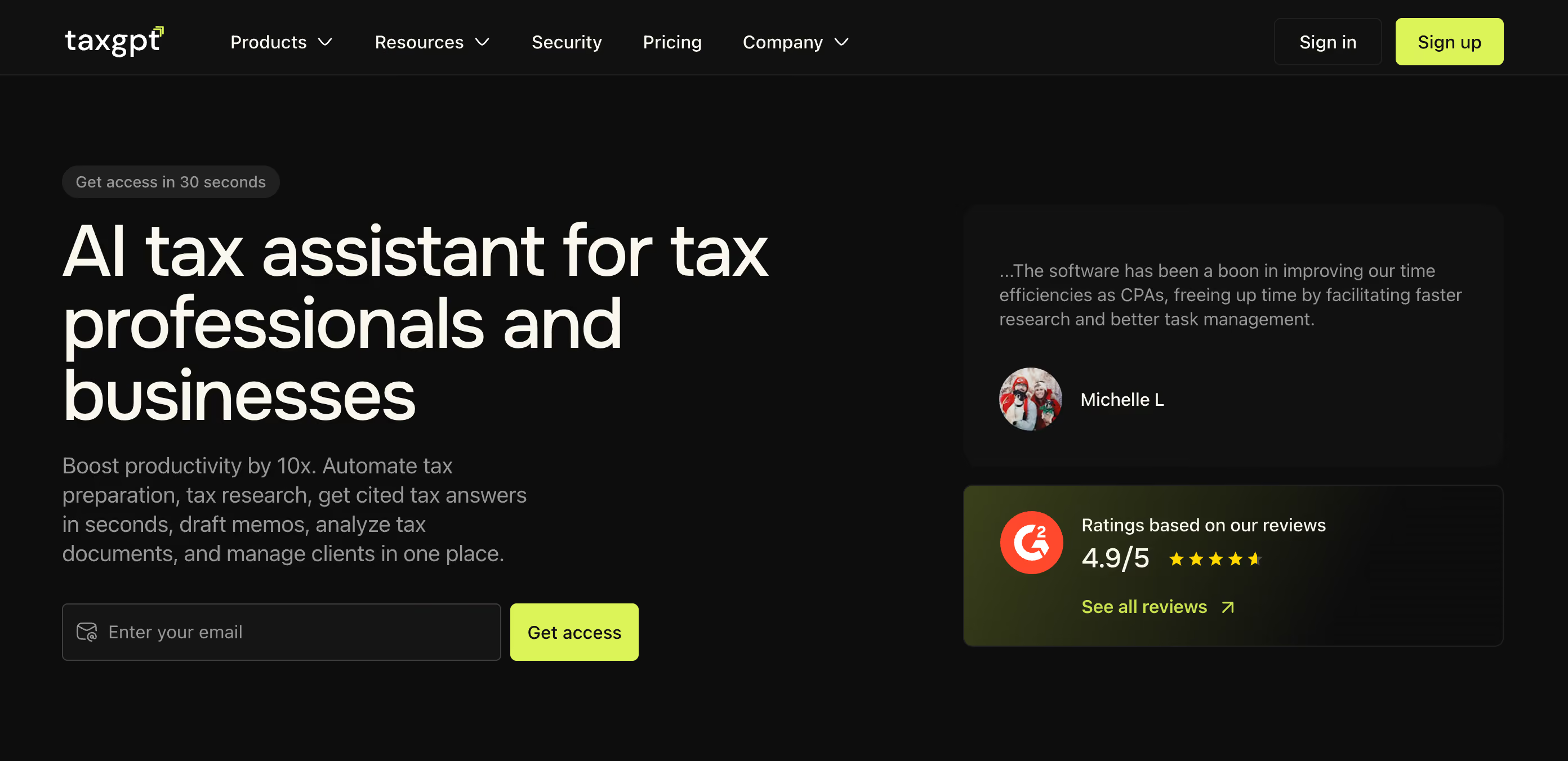
TaxGPT is an AI-powered tax assistant designed to help tax professionals with research, document analysis, drafting, and other tax workflow tasks. It positions itself as an AI assistant across the tax workflow rather than a traditional research library focused primarily on content depth.
Strengths
- AI-assisted tax research: TaxGPT helps professionals research federal and state tax questions by generating answers supported with citations.
- Tax document analysis: the platform can assist with reviewing tax documents, including returns, notices, and workpapers, helping you analyze information more efficiently.
- Drafting support: TaxGPT supports creating tax-related documents, including client communications, memoranda, and responses to tax matters.
- Workflow support beyond research: TaxGPT positions itself as an AI assistant that supports multiple tax tasks, including research, analysis, and drafting, instead of functioning only as a traditional research database.
Key features
- Tax research: TaxGPT helps tax professionals research complex tax questions by providing AI-generated answers supported by citations.
- Tax preparation support: the platform assists with tax preparation workflows by providing AI-supported analysis and explanations within existing tax software environments.
- Agent Andrew: an add-on feature that serves as a tax review assistant designed to help review tax returns and identify potential issues during the preparation process.
- Client Intelligence: an add-on feature that helps firms organize client information, documents, and communications within a centralized workflow.
- Tax Matrix: a state tax research tool that provides state-by-state tax answers in an organized format that users can review and export.
Best fit
Smaller tax firms that may prefer a single AI assistant that helps support research, document review, and drafting rather than utilizing specialized tools.
Pricing
All plans (Pro, Pro Plus, and Enterprise) are priced by demo.
What to evaluate when choosing a CCH AnswerConnect alternative
The right tax research solution should fit how your team works, from finding relevant authority to verifying conclusions and applying research to client work.
Before switching platforms, evaluate the following:
- Research coverage and depth of authority
- Reliability of citations
- Daily workflow experience
1. Research coverage and authority
When reviewing alternatives to CCH AnswerConnect, consider whether the platform provides the tax content your team needs to research and support client positions:
- Federal tax law: access IRC provisions, Treasury Regulations, IRS guidance, and analysis that help you interpret federal tax rules and apply them to client matters.
- State and local tax (SALT): support multistate research with state-specific guidance, rules, and analysis for clients operating across different jurisdictions.
- International tax laws and guidance: access resources that support cross-border tax questions, including international guidance and practical analysis.
- Primary research sources and editorial analysis: combine authoritative sources with practitioner-focused explanations that help you understand how tax rules apply in practice.
A platform with strong federal coverage but limited SALT resources may work well for straightforward engagements. However, when your team takes on a multistate client file, gaps in state-specific coverage can slow research and make it harder to reach a supported conclusion.
The same consideration applies to international tax research, where access to relevant authorities and practical explanations can influence the strength of your analysis.
Beyond coverage, you should confirm that the platform provides access to primary sources, including statutes, regulations, administrative guidance, and case law.
Editorial resources can add further context by explaining how those authorities apply in practice.
You can reference IRS official guidance for tax professionals when checking or verifying current IRS resources and developments.
2. Source verification and citations
A reliable tax research platform should help you answer three questions before you rely on a conclusion:
- Where did the information come from?
- Can the sources be reviewed?
- Can the conclusion be supported?
When evaluating a tax research platform, review the citations behind its answers. Open the cited sources, confirm the underlying authority, and compare the source material with the conclusion provided.
A citation that links directly to an IRC section, regulation, ruling, or court decision allows you to verify the reasoning quickly.
By contrast, a citation that leads to a general summary or cannot be located requires additional research before you can rely on the answer for client work.
Speed can improve the research process, but the quality of the supporting authority determines whether the conclusion can withstand review.
3. Search experience and workflow fit
A CCH AnswerConnect alternative should make it easier and faster to ask questions, find relevant information, and understand how the sources apply to the issue you are researching.
Natural language search can simplify this process by allowing you to search for information in a conversational format.
Instead of translating a tax issue into database-specific search terms, you can describe the question as you would discuss it with a colleague and provide the context needed to guide the research.
Workflow fit is equally important when evaluating a new platform.
The tool you select needs to work for the people using it every day, not only the person who approved the purchase. During trials or demos, assess practical adoption factors such as:
- Research efficiency: how quickly users can complete common research tasks.
- Team adoption: the frequency with which colleagues return to the platform without additional guidance.
- Workflow improvement: how effectively the tool reduces repetitive research steps.
- Process compatibility: how well the platform fits existing compliance, advisory, and preparation workflows.
Return on investment for a chosen tax research tool is also an important factor to consider.
PwC’s Tax Function Benchmark 2025 found that 66% of tax executives expect their tax function’s budget to be insufficient over the next one to three years, and this increases the pressure on firms to choose tools that support efficient workflows and justify their cost.
So before switching platforms, review how the research tool fits alongside your existing systems.
Blue J vs CCH AnswerConnect: which fits your workflow?
Blue J and CCH AnswerConnect both support professional tax research, but they approach the work differently.
CCH AnswerConnect is an established tax research platform built around a large content library, with add-on AI capabilities through Expert AI. Your team can use the platform to search available resources, review relevant materials, and build conclusions from the authorities and analysis provided.
Blue J takes an AI-native approach to tax research. You begin by asking a tax question in natural language, like you’re having a chat with your colleague, and can add documents for more relevant context.
The platform then provides a verifiable response with citations that connect back to supporting authorities, helping you move from the initial question to a supported conclusion more efficiently.
Both platforms rely on authoritative tax sources, including the IRC, Treasury Regulations, and IRS guidance. The difference is how you move from those sources to a supported position.
Why firms choose Blue J as a CCH AnswerConnect alternative
Still Boolean-searching your way to an answer during tax research? You need a workflow that helps you find relevant authority, review the sources behind an answer, and apply the research to client work.
With Blue J, you can ask tax questions in plain language and receive answers with verifiable sources you can review. Its AI-powered research workflow helps you explore complex tax issues while keeping the supporting authorities connected to the analysis.
Blue J combines primary authoritative content with expert commentary from Tax Notes and IBFD, supported by a dedicated legal research team and more than 10 million tax questions answered.
The platform gives you more time to focus on the work that requires your expertise, from advising clients to developing tax strategies and making informed decisions.
Discover why CPAs, national firms, regional firms, local firms, and sole practitioners choose Blue J.
Frequently asked questions about CCH AnswerConnect alternatives
1. What is the best alternative to CCH AnswerConnect?
The best alternative depends on what your firm needs from a tax research platform. Some solutions focus on broad research libraries and editorial analysis, while others prioritize AI-assisted research, workflow efficiency, or affordability.
If your team wants to streamline the path from a tax question to a supported conclusion, AI-powered tax research solutions like Blue J offer a conversational approach with source-backed answers.
2. Can AI tax research tools replace traditional tax research?
AI tax research tools can help you find relevant authorities, review complex tax issues, and organize supporting information more efficiently. You still need to assess the sources, apply the facts to the client’s situation, and determine the final tax position.
The way professionals approach tax research is changing as AI becomes part of everyday workflows. Learn more about the future of tax research and how these tools are helping tax teams spend less time searching for information and more time applying their expertise.
3. Can AI be trusted for tax research?
AI can support tax research when its answers are supported by transparent sources and reviewed by a qualified professional.
Always check the citation trail by confirming that each source exists and that it supports the conclusion provided.
General-purpose AI models can sometimes generate citations that appear credible but don’t correspond to real authorities, which is why source verification is crucial.
4. How difficult is it to switch tax research platforms?
The difficulty depends on your firm’s workflow, integrations, and team adoption.
Tax research platforms and tax preparation software serve different purposes, so switching research platforms does not necessarily require changing your existing preparation systems, such as ProSystem fx, ATX, or TaxWise.
Read our buying guide for tax research for more guidance on evaluating tax research solutions.

Stay up to date